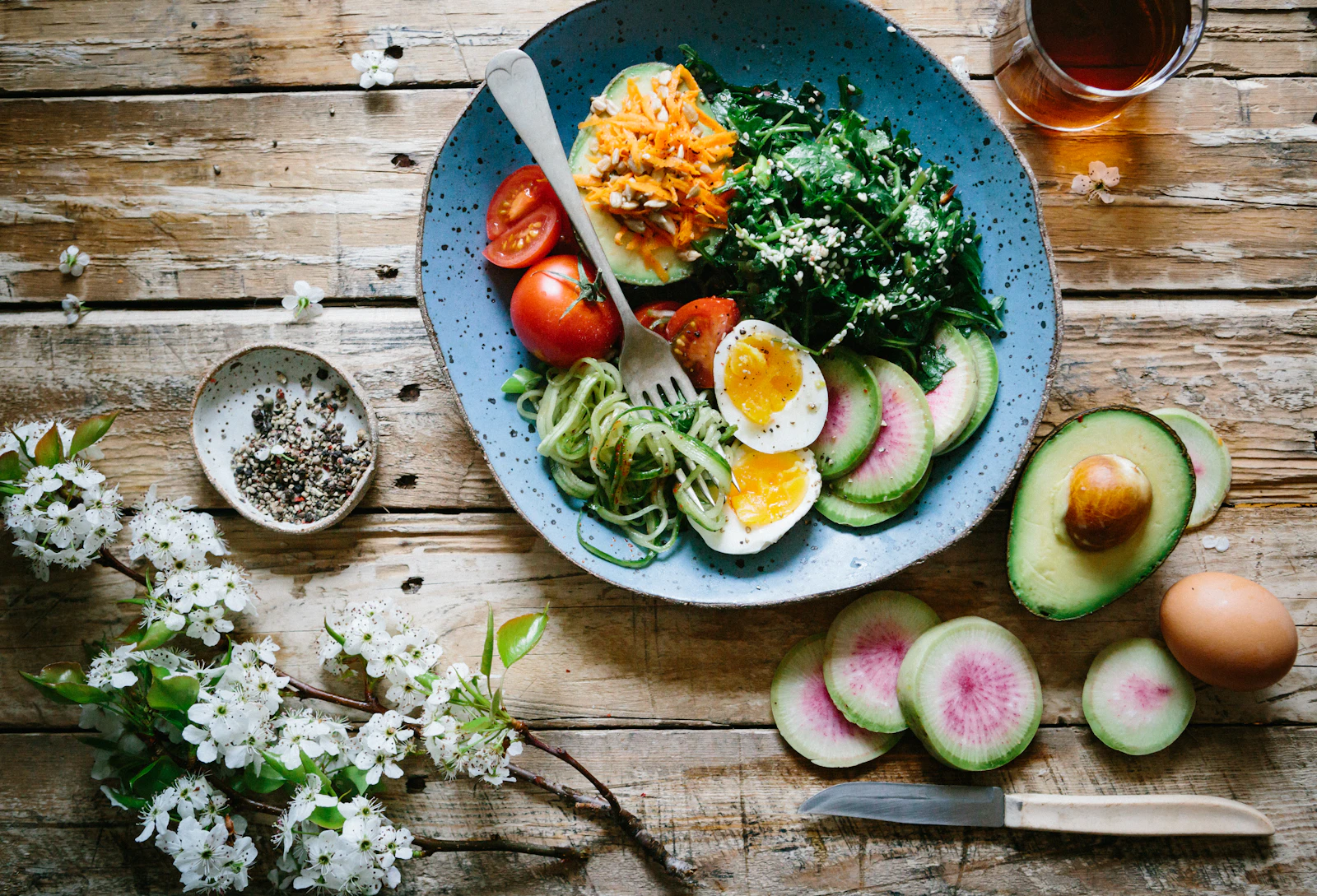
Walk through our fields at the start of any month and you can taste the calendar. In the height of summer the mango trees are heavy and fragrant; by the time the rains ease, the greens come back thick and tender. Food grown in its right season simply tastes like more of itself — sweeter, brighter, alive. That is the whole idea behind eating fresh, and it is far simpler than most people think.
When produce is picked at its natural peak and eaten soon after, it holds on to the nutrients and flavour that long storage and long journeys quietly strip away. It also means we can grow it the way nature intended — without forcing anything out of season, and without the chemicals that shortcuts demand.
Why Seasonal Is Better
A tomato grown in its season, in living soil, needs almost nothing done to it. Out of season, that same tomato needs heat, coaxing and often a chemical hand to look the part. Seasonal eating sidesteps all of that. You get produce at its most nutritious and its most affordable, because it is abundant exactly when you're buying it.
Nature already wrote the menu. The best cooking just reads it carefully and gets out of the way.
There is a quieter benefit too. Eating with the seasons keeps variety in your kitchen through the year — you look forward to the first mangoes, the winter greens, the fresh turmeric — instead of eating the same tired ingredients on repeat. Your plate changes as the fields do.
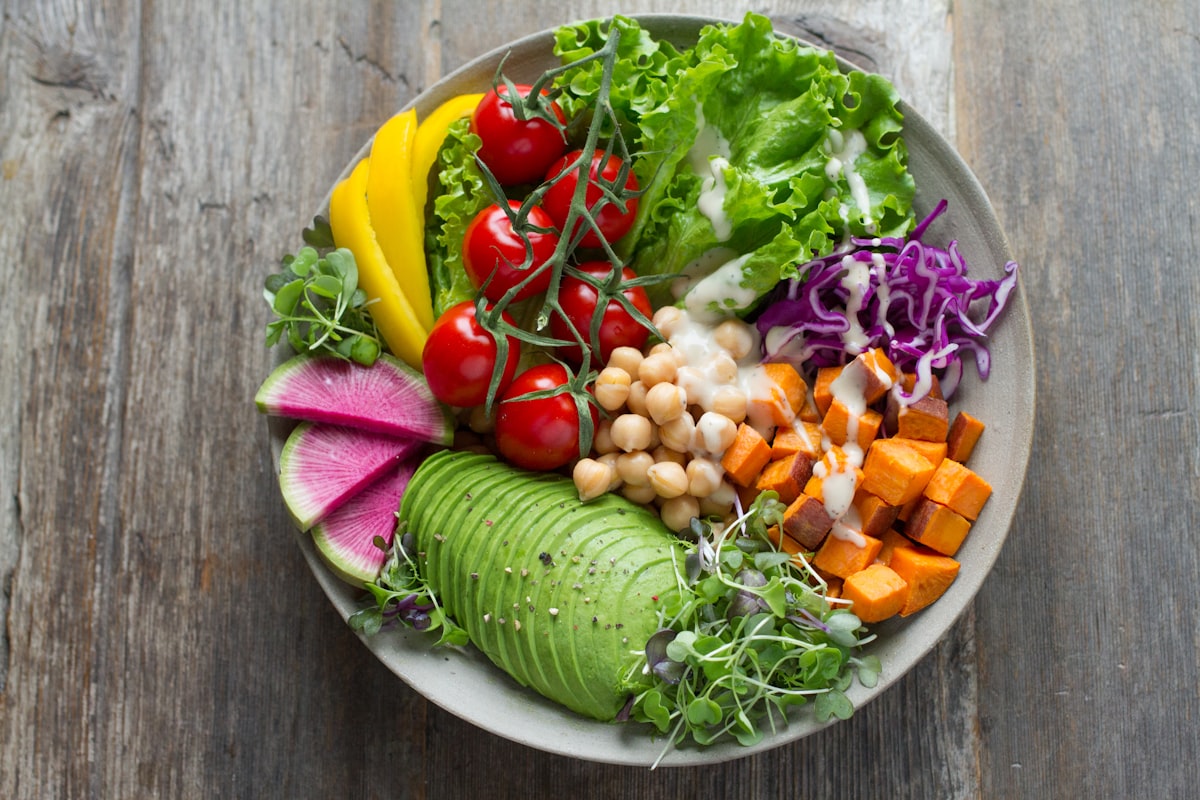
Building Meals Around the Harvest
You don't need a rigid plan to cook seasonally — just a willingness to let the freshest thing lead. When a vegetable is at its peak, keep it simple and let it shine. Here's the short list we share with our own customers:
- Shop the season first, then decide the dish — not the other way around.
- Let one great ingredient be the star; cook it simply with good oil, salt and heat.
- Keep organic staples — rice, dal, ghee, honey — always stocked so fresh produce is all you need to buy.
- Store produce well and cook it within a few days, while the goodness is still locked in.
- Save the scraps — stalks, peels and tops often make the best stock or chutney.
None of this asks for special skill. It asks only that you start with real, honestly grown ingredients and trust them to do the work. That is the same belief that guides every seed we sow at Suvarna Natural Farms — and the reason a plate of truly fresh food never really needs much help at all.